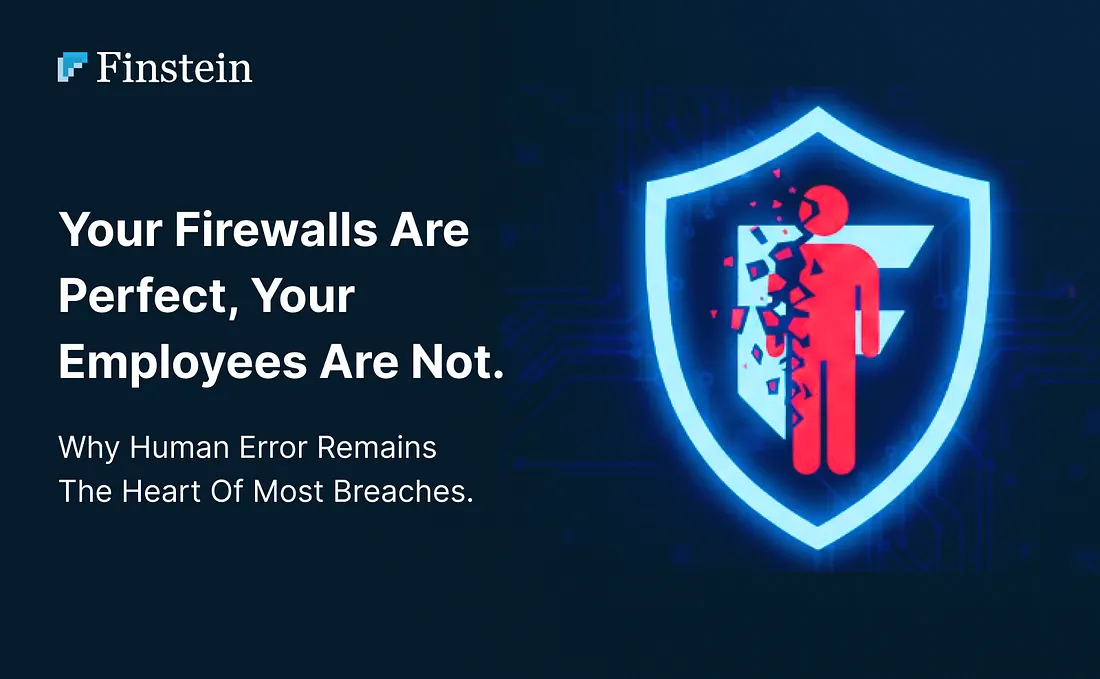
You have spent millions on the latest encryption, cloud security, and automated threat detection. Your dashboard shows green lights across the board. Yet, a single click from a tired employee at 4:30 PM on a Friday can bypass every dollar of that investment.
Despite the rise of sophisticated AI-driven hacking, the vast majority of cyber incidents still start with a person. According to recent 2025 industry reports, between 68% and 88% of all data breaches involve a human element.
The Myth of the Careless Employee
It is easy to blame a lack of training or simple negligence, but modern cyberattacks are no longer designed to catch the lazy. They are designed to exploit how the human brain processes information.
Cybercriminals focus on three main areas where humans are naturally vulnerable:
- Decision Fatigue: In a typical workday, an employee makes thousands of small decisions. By the time they see a suspicious email late in the afternoon, their mental filters are worn down. They aren’t being careless; they are simply exhausted.
- The Helpful Instinct: Most employees want to be efficient and helpful. If an email appears to be from a colleague in urgent need of a file or a manager requesting a quick password reset, the instinct to help often overrides the instinct to verify.
- Contextual Blindness: Hackers now use AI to draft messages that perfectly match your company culture and current events. When a threat looks exactly like a routine business process, it becomes invisible to the untrained eye.
More Than Just Phishing
When we talk about human error, we often only think of clicking malicious links. However, the scope is much broader:
- Cloud Misconfigurations: A developer might accidentally leave a database open to the public internet while trying to meet a deadline.
- Shadow IT: Employees often use unauthorized personal apps or browser extensions to get the job done faster, inadvertently opening doors for data exfiltration.
- Poor Password Hygiene: Even with modern requirements, the tendency to reuse variations of the same password across multiple platforms remains a primary entry point for attackers.
Shifting the Strategy
To lower the risk of human error, organizations are moving toward real resilience:
- Safe-to-Fail Systems: Designing workflows where a single mistake cannot trigger a catastrophe.
- Reduced Cognitive Load: Limiting the number of security decisions an employee has to make through automation and Single Sign-On (SSO).
- A Reporting Culture: Encouraging staff to speak up immediately if they think they made a mistake, without the fear of being shamed.
In a world where hackers are getting better at acting human, your defense needs to be more intelligent.
Let Finstein help you see the high-risk patterns in your organization before an attacker does. We provide the tools to harden your infrastructure so that one small human mistake does not lead to a total data leak. Our platform identifies hidden vulnerabilities and monitors for suspicious behaviors that signal a social engineering attempt is in progress.
Don’t wait for a human error to become a headline.
Reach out to our experts at https://cyber.finstein.ai
#CyberSecurity #HumanError #DataBreach #Finstein #InfoSec #TechTips #EmployeeSafety #RiskManagement #SocialEngineering