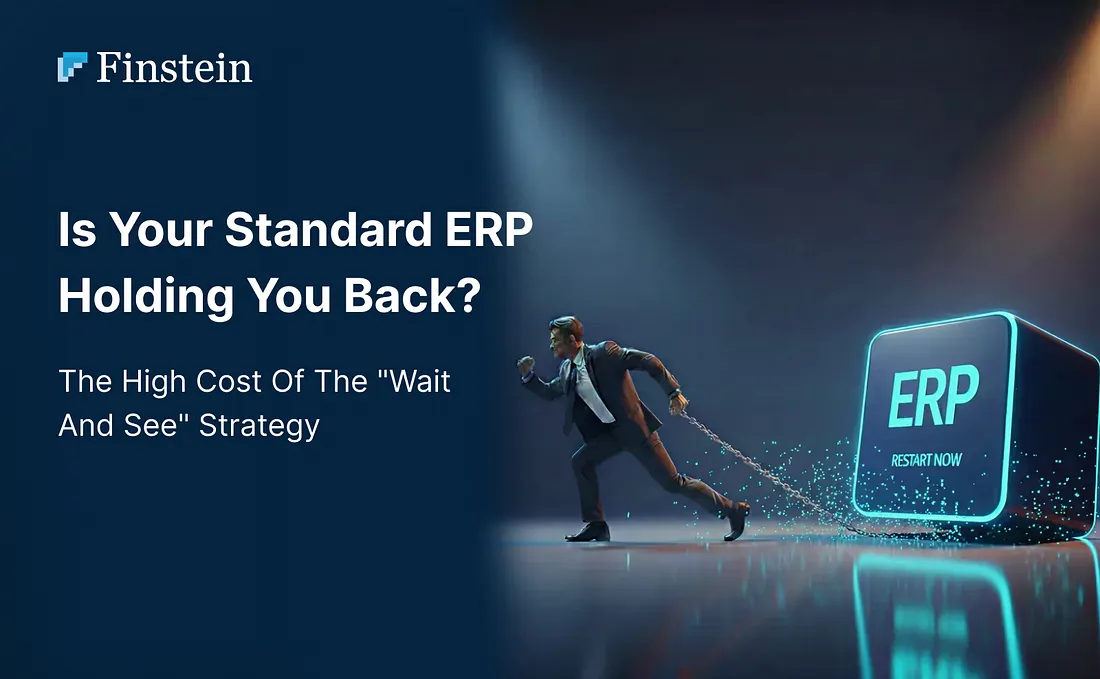
In the early stages of a digital roadmap, the temptation to stick strictly to out of the box features is strong. Leadership often views customization as a phase two priority. They see it as something to be handled once the team settles in.
But as we move through 2026, the gap between standard software and specialized business logic is widening. Delaying these critical configuration decisions does not just postpone progress. It builds a foundation of technical debt that can jeopardize your entire implementation.
The Erosion of User Adoption
An ERP is only as valuable as the data entered into it. When you force a specialized team into a generic workflow, friction is inevitable. Employees begin to develop shadow systems. These are the spreadsheets and external notes designed to capture the nuances the ERP misses.
By the time you decide to customize, the team has already checked out. Rebuilding that trust and breaking those manual habits is far more expensive than getting the workflow right during the initial rollout. A system that does not reflect how you actually work will always face resistance.
The Complexity of Retroactive Integration
Modern business environments are highly interconnected. Your ERP must communicate with supply chain partners, specialized manufacturing hardware, or unique customer portals.
When you delay customization, you are essentially building a house and deciding where the plumbing goes after the concrete has dried. Retrofitting custom logic into a live system requires extensive data migration and re-testing of existing modules. This often leads to significant downtime. The cheaper path of waiting almost always results in a higher total cost of ownership.
In 2026, agility is the ultimate competitive edge. A generic ERP provides a baseline, but your custom logic provides your lead. Making these decisions early ensures that your software supports your growth rather than acting as a bottleneck.
At Finstein, we define customization as the deep alignment of ERPNext with your unique operational DNA. It is not about cosmetic changes or surface-level scripts; it is about architecting bespoke business logic and specialized workflows that mirror your competitive advantages from Day 1. By leveraging the flexible Frappe framework, we develop core enhancements and custom doctypes that are natively integrated and upgrade-safe. This ensures your ecosystem scales alongside your evolving processes without the risk of technical debt or system instability during future updates.
Discover how we tailor high-impact ERP ecosystems at erpnext.finstein.ai
#ERPNext #DigitalTransformation #BusinessStrategy #FinsteinAI #ERPCustomization #TechDebt #ProjectManagement #2026Trends #Scalability