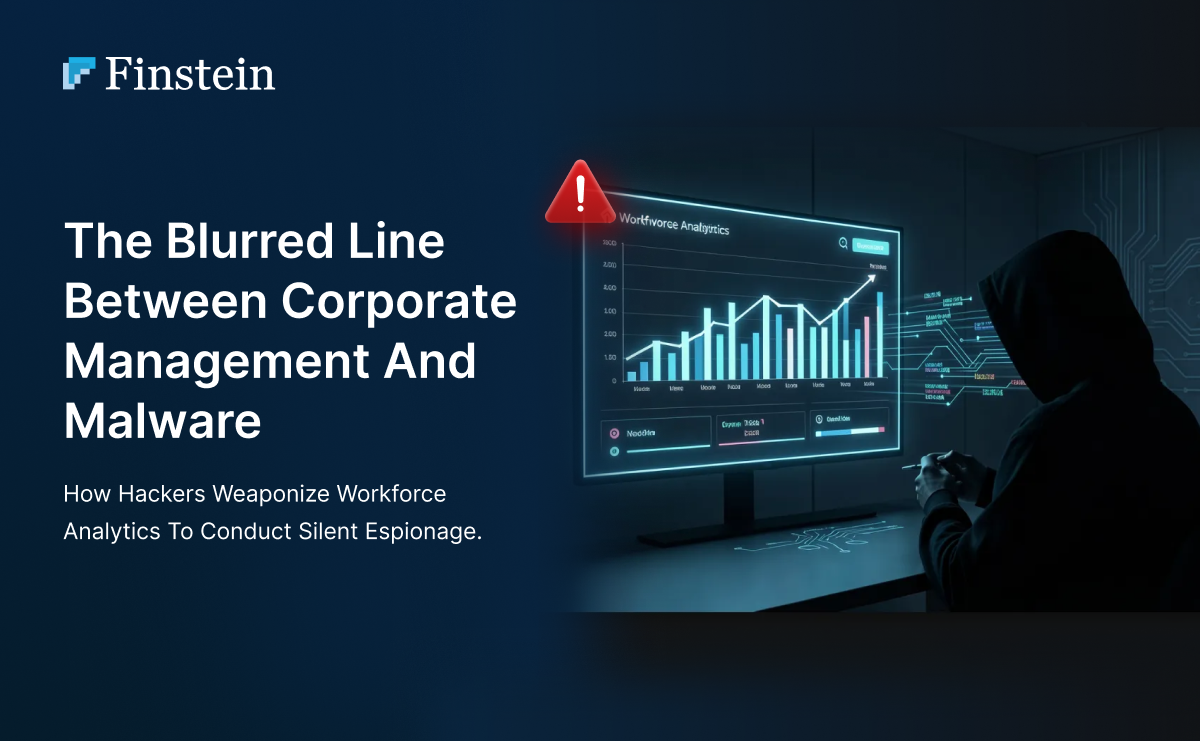
In the modern corporate world, the line between performance monitoring and privacy is often thin. We have grown accustomed to workforce analytics tools that track our engagement and output. However, a startling new report from Malwarebytes reveals a cynical twist in this narrative. Hackers are now using the very tools your organization might use for oversight to conduct silent, high-level espionage.
By masquerading as a routine Zoom update, attackers are deploying sophisticated monitoring software that bypasses traditional security intuition. This campaign turns the familiarity of video conferencing and corporate transparency into a potent weapon for data exfiltration.
The Anatomy of the StatSift Campaign
The core of this threat lies in its use of “StatSift,” a legitimate workforce productivity and analytics tool. By weaponizing a piece of software that has a valid business purpose, attackers make detection significantly more difficult for standard antivirus programs.
The Delivery Method
The attack typically begins with a highly convincing phishing lure or a malicious advertisement. Users are directed to a professional-looking landing page that mimics the official Zoom download center. The page prompts the user to download a critical update to maintain service continuity.
The Silent Installation
The downloaded file is a bundled installer. While it successfully installs a working version of Zoom to avoid raising suspicion, it simultaneously drops the StatSift agent into the system background. There are no flashing warnings or unusual system slow-downs to alert the user that a secondary, unauthorized program is now active.
The Scope of Surveillance
Once active, the tool begins its work under the guise of “analytics.” It can capture screenshots, monitor keystrokes, track active applications, and record idle time. For a cybercriminal, this provides a direct window into sensitive company documents, private credentials, and high-value strategic discussions. Because the software itself is technically legitimate, it often communicates with its command and control servers without triggering high-priority network alerts.
Defensive Strategies and Precautions
Defending against “living off the land” attacks where legitimate tools are used for malicious ends requires a combination of technical rigor and user awareness.
- Verify the Source: Never download software updates from a link provided in an email or a popup advertisement. Always navigate directly to the official provider website, such as Zoom.us, to verify and download the latest version.
- Implement App Execution Policies: Organizations should use Application Control or Allowlisting to ensure that only authorized versions of software can run on company machines. This prevents bundled third-party tools from executing without explicit IT approval.
- Monitor for Anomalous Shadow IT: Security teams should use network visibility tools to identify the presence of monitoring software that was not officially deployed by the organization. Any “workforce analytics” traffic that does not trace back to a corporate account is an immediate red flag.
- Endpoint Detection and Response (EDR): Advanced EDR solutions can identify the behavioral patterns of bundled installers, flagging when a routine update attempts to install secondary, unrelated services.
Finstein specializes in uncovering the hidden vulnerabilities that traditional security frameworks often overlook. While your current defenses might be looking for “viruses,” we look for the subtle abuse of legitimate organizational logic.
Our Cyber Advisory services provide a comprehensive audit of your digital perimeter, specifically focusing on the intersection of third-party applications and employee workflows. We perform deep-dive Vulnerability Assessments and Penetration Testing (VAPT) to see if your systems can be tricked by bundled installers or unauthorized monitoring tools. With Finstein, you are not just checking a box for compliance; you are building a resilient infrastructure that can distinguish between a helpful productivity tool and a malicious intruder. We help you establish the guardrails necessary to ensure that your communication tools remain private and your corporate data remains secure.
The reality of 2026 is that trust is a commodity that attackers will always seek to exploit. By turning a common tool like Zoom into a delivery vehicle for spyware, hackers are betting on our collective habit of clicking “update” without a second thought. True digital resilience comes from questioning the familiar and verifying every connection. When the tools of the trade are turned against the worker, the only solution is a security strategy built on visibility and constant validation.
Do not let your productivity software become a window for intruders.
To secure your workforce and audit your application integrity, reach out to the specialists at https://cyber.finstein.ai
#CyberSecurity #ZoomMalware #WorkforceAnalytics #Finstein #Spyware #InfoSec #TechLeadership #DataPrivacy #EndpointSecurity #MalwareAlert #RemoteWork #SecurityAwareness