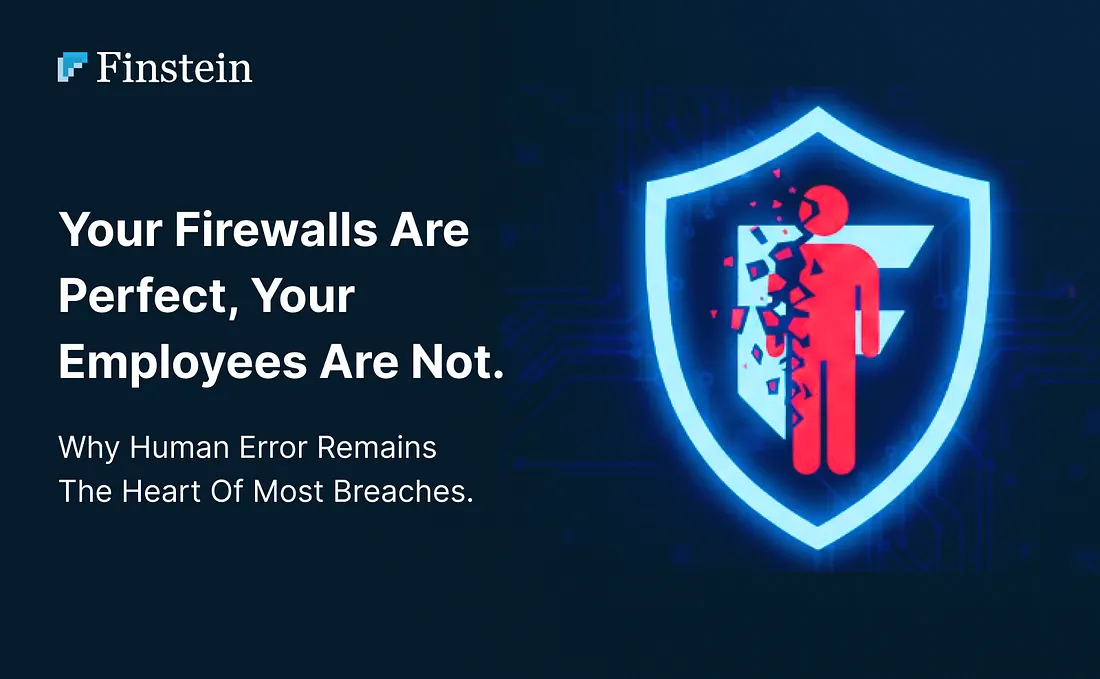
You have likely seen it happen. An experienced manager, a sharp developer, or a meticulous HR lead clicks a link they shouldn’t have. It feels like a lapse in judgment, but the reality is much more calculated.
Today’s phishing attacks aren’t aimed at an employee’s lack of knowledge. They are designed to hijack the human brain’s natural shortcuts.
The Fast Brain Trap
Psychologists say our brains have two modes. One is fast and instinctive; the other is slow and logical.
Modern phishing is designed to keep you in the “fast” mode. Attackers wait for a busy Tuesday morning when your inbox is overflowing. They send an urgent notification about a “Missed Payroll” or an “Expired Password.”
In that moment of stress, your brain switches to survival mode. You aren’t thinking like a security expert. You are just trying to fix a problem quickly so you can get back to work. By the time your “slow” logical brain catches up, the click has already happened.
The Weapon of Trust
We are naturally wired to be helpful, especially to people we know or respect. Attackers use this against us through “Authority Bias.”
They don’t just send random emails anymore. They use AI to study your company. They learn who the boss is, what projects you are working on, and even the specific slang your team uses in Slack or Teams.
When you get a message that sounds exactly like your manager, your brain enters the “Halo Effect.” You trust the person so much that you stop questioning the request. Even the smartest person can be tricked when the “hacker” sounds exactly like their friend.
New Hiding Places
Attackers are moving away from just using email. They are now hiding in places we consider “safe zones.”
We are seeing a rise in QR code scams at corporate events or malicious links shared inside internal chat apps. Because we feel safe inside our office software, our guard is naturally lower.
Even a simple “Swipe-Up” on a mobile phone can lead to a fake login page that looks identical to your company portal. One wrong move on a small screen is all it takes.
How to Stay Safe
To truly protect your team, you need to move beyond “check-the-box” training. Real safety comes from a few simple habits:
- The Five-Second Rule: Before clicking any link that asks for a password, stop for five seconds. Ask yourself: “Did I expect this email right now?”
- Verify the Source: If a request seems urgent or strange, call the person on the phone or send a fresh message to confirm it was really them.
- Use Better Keys: Move to physical security keys (like a USB key) that cannot be tricked by a fake website.
This is where Finstein helps you see the high-risk patterns in your organization before an attacker does. We provide the tools to harden your infrastructure so that one small human mistake does not lead to a total data leak. Our platform identifies hidden vulnerabilities and monitors for suspicious behaviors that signal a social engineering attempt is in progress.
In a world where hackers are getting better at acting human, your defense needs to be more intelligent.
Don’t wait for the next “oops” moment. Reach out to Finstein today for a specialized audit of your human-risk perimeter and let us help you turn your team into your strongest defense.
#CyberSecurity #OnlineSafety #Phishing #SocialEngineering #Finstein #InfoSec #TechTips #SafeBrowsing #DataProtection