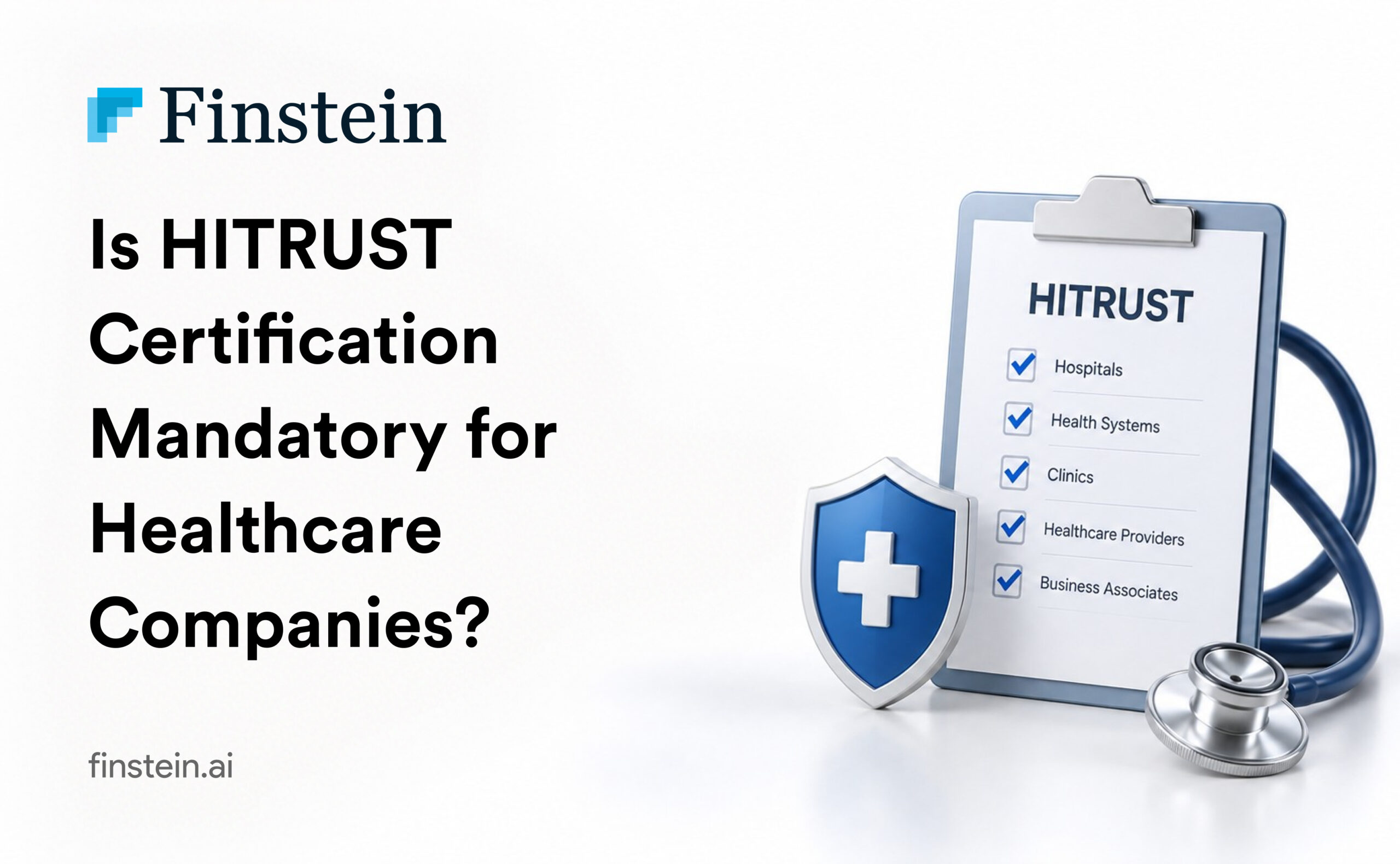
Some customers care a great deal and some not at all. US payers, large health systems, PBMs and health tech platforms that manage their own vendor risk programmes routinely require HITRUST. Small providers, non-healthcare enterprises and most international buyers rarely ask. The only reliable answer comes from checking your own contracts, RFPs and security questionnaires.
Who inside the customer actually cares?
It is rarely the business sponsor who champions your product. It is the third-party risk management (TPRM), information security, privacy, legal and procurement functions. Their job is to evidence to their own auditors, regulators and boards that vendors handling PHI are controlled.
For these teams, a HITRUST certification has three attractions:
1. Standardisation. Every i1 covers the same requirements. Reports are comparable across hundreds of vendors.
2. Reliance. HITRUST QA sits over the assessor, so the customer does not need to evaluate the auditor’s quality.
3. Efficiency. A certification letter lets them close a vendor review with far less analyst time than a bespoke questionnaire.
After the large-scale third-party incidents in US healthcare in 2024, boards and regulators increased scrutiny of vendor concentration and vendor security. TPRM teams responded by raising the bar for critical vendors.
Which customer segments care most?
| Customer segment | Level of interest | Typical behaviour |
| National and regional payers | Very high | HITRUST written into vendor standards, often r2 for high-risk tiers |
| Large health systems and academic medical centres | High | HITRUST preferred, SOC 2 Type 2 sometimes accepted with extra questionnaires |
| PBMs and clearinghouses | Very high | Flow-down of their own customers’ requirements |
| Health tech platforms and EHR ecosystems | High | Require HITRUST from subprocessors handling PHI |
| Mid-size provider groups | Moderate | Ask for “HIPAA compliance” evidence, accept SOC 2 or e1 |
| Small practices | Low | Rely on a BAA |
| Non-healthcare enterprise | Low | SOC 2 or ISO 27001 |
| Government healthcare programmes | Varies | NIST and FedRAMP driven, HITRUST is supportive evidence |
How do you find out whether your customers care?
Do not survey opinion. Audit evidence. Work through this checklist:
1. Contracts and BAAs. Search for “HITRUST”, “CSF”, “certification”, “independent assessment”.
2.RFPs from the last 24 months. Note where HITRUST was mandatory, scored or absent.
3. Security questionnaires. Count how many ask “Are you HITRUST certified?” and whether a yes lets you skip sections.
4. Lost deal reviews. Ask sales which deals stalled or were lost at security review.
5. Direct question. Ask your top ten customers’ TPRM contacts what assurance they will require at next renewal.
6. Competitor check. Review competitor trust pages. If the top three all show HITRUST, buyers are being conditioned to expect it.
Record the results in a simple matrix: customer, annual revenue, requirement, level, deadline. This becomes the core of your business case.
What signals tell you demand is coming?
- A customer’s questionnaire adds a HITRUST question for the first time.
- A renewal draft includes new security exhibit language.
- Your customer is itself pursuing HITRUST r2. Their assessor will push them on third-party assurance, and that pressure flows to you.
- You move from departmental to enterprise-wide deployment and get re-tiered as a critical vendor.
What if customers do not care today?
Then do not over-invest. Options that preserve readiness at low cost:
- Maintain SOC 2 Type 2 with HIPAA mapping.
- Run a HITRUST readiness assessment so you know the gap and the time to certify.
- Pursue e1 as a low-effort signal if you are entering healthcare enterprise sales within 12 months.
Do customers read the report or just tick the box?
Mature TPRM teams read it. They check:
- Scope. Does the certified scope include the product and locations they use?
- Assessment type and date. Is it current, and is it the level their policy requires?
- Corrective action plans. What gaps remain open?
- Carve-outs. Which subservice providers are excluded?
A certificate with a scope that excludes the customer’s product is the most common reason certified vendors still fail security review.
Key takeaways
- Interest is concentrated among payers, health systems, PBMs and platforms.
- TPRM and security teams care more than business sponsors.
- Evidence from contracts, RFPs and questionnaires beats assumption.
- Scope alignment matters as much as holding the certificate.
- If demand is absent, prepare cheaply and wait.
Frequently asked questions
Do hospitals require HITRUST from vendors?
Many large health systems prefer or require it for vendors handling PHI. Smaller hospitals often accept SOC 2 or a completed security questionnaire.
Do insurance payers require HITRUST certification?
Many major US payers expect HITRUST certification from business associates in higher risk tiers.
How do I know which HITRUST level my customer wants?
Ask their third-party risk management team directly and check the security exhibit in your contract.
Will HITRUST stop customers sending security questionnaires?
It usually reduces them significantly. Some customers still send a shorter supplemental questionnaire.
What if only one customer asks for HITRUST?
Weigh that customer’s revenue and strategic value against programme cost, and ask whether an e1, i1 or readiness report would satisfy them.
About Finstein
Finstein is a HITRUST Authorized External Assessor. Our team includes CCSFP and CHQP qualified HITRUST professionals, CISA certified auditors and ISO 27001 lead auditors, led by Chartered Accountants. We support readiness assessments, validated e1, i1 and r2 assessments, interim assessments and recertification for organisations in the US, India, the UK and the Middle East that serve US healthcare, using an efficient remote delivery model. Run a customer demand check with us.
HITRUST #HITRUSTCSF #HITRUSTCertification #HealthcareCybersecurity #HealthcareCompliance #HIPAA #HIPAACompliance #Cybersecurity #DataSecurity #InformationSecurity #RiskManagement #ThirdPartyRisk #VendorRiskManagement #HealthcareIT #HealthTech #PHI #DataPrivacy #Compliance #GRC #CyberRisk #SOC2 #ISO27001 #NIST #BusinessAssociates #HealthcareTechnology